
Protecting Your Roof Through Melbourne Storm Season: A Homeowner’s Guide
Melbourne’s storms arrive fast and hit hard. Here is how to prepare your roof before the season, stay safe during a storm, and handle damage and insurance afterwards.
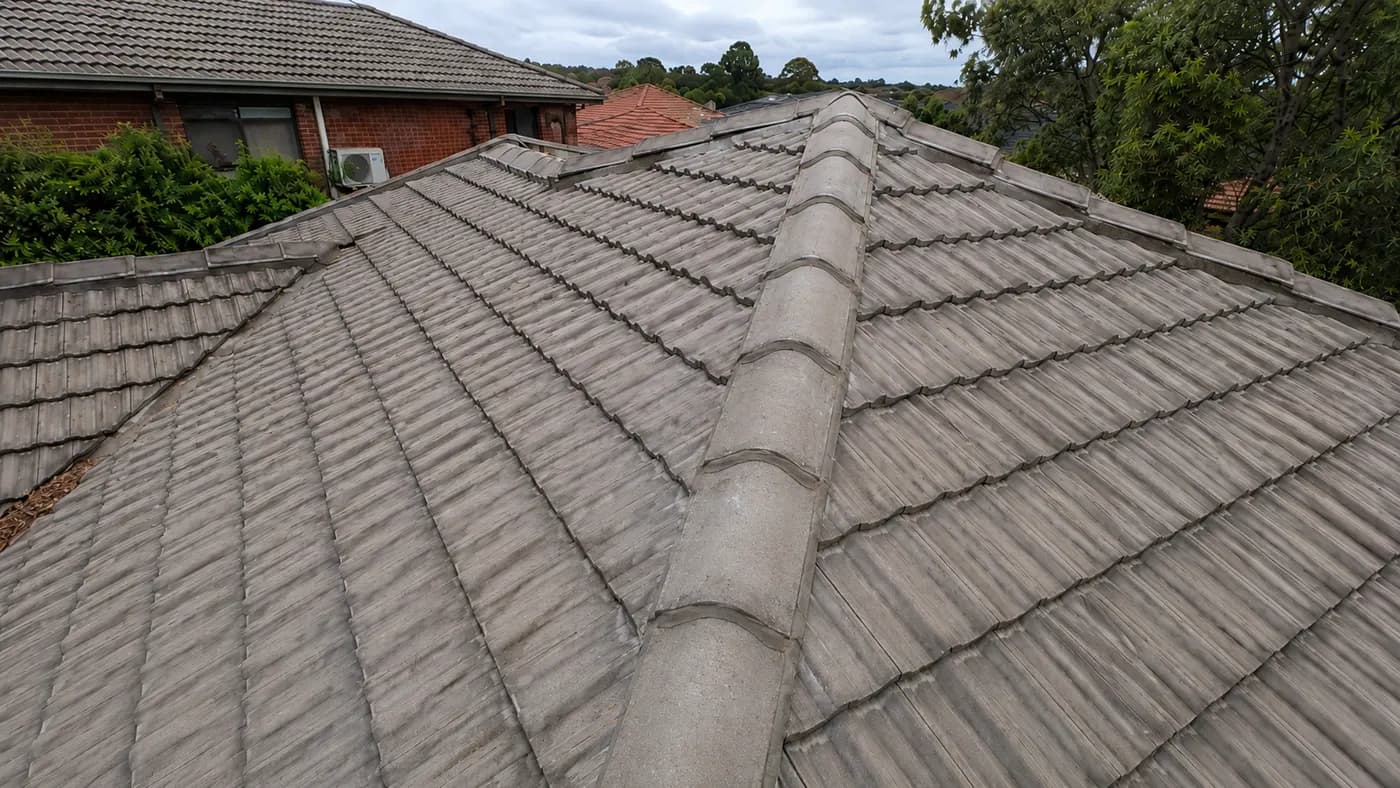
The short answer
To protect your roof through Melbourne storm season: before the season, clear gutters, replace loose or cracked tiles, re-point ridge caps, re-seal flashings and trim overhanging branches. During a storm, stay off the roof and contain any water inside. After a storm, check from the ground, photograph damage, and arrange emergency repairs if the roof is exposed.
Melbourne is known for weather that turns in minutes. Calm one hour, damaging winds and heavy rain the next. Those fast-moving storms are tough on roofs. The homes that come through best are the ones that were prepared before the season started.
This guide covers the three phases that matter: getting your roof ready before storms hit, staying safe while one is passing, and handling damage and insurance afterwards.
Before the season: prepare the roof
Most storm damage takes advantage of a weakness that was already there. A loose tile, a cracked ridge cap or a blocked gutter is fine in calm weather but becomes a failure point under wind and downpour. The cheapest storm protection is fixing those weak points before the season.
- Clear gutters and downpipes so heavy rain can drain instead of backing up under the roof edge.
- Have loose, cracked or slipped tiles replaced and ridge capping re-pointed.
- Check and re-seal flashings around chimneys, skylights and valleys.
- Trim overhanging branches that can break off and fall onto the roof.
- Book a roof inspection if the roof has not been checked in a few years.
Why gutters matter more than people think
In a Melbourne downpour, the volume of water hitting your roof is enormous. If gutters and downpipes are blocked with leaves, that water has nowhere to go. It overflows back under the eaves, into the fascia and sometimes into the roof cavity and walls. A large share of storm leaks are really overflow from blocked gutters, not the roof failing.
Cleaning gutters before storm season, and fitting gutter guard if your home is surrounded by trees, is one of the best things you can do.
During a storm: stay safe
While a storm is passing, safety comes first and nothing on the roof is worth risking. Never go onto a roof in wind or rain. Stay inside, keep clear of windows in severe wind, and if water starts coming in, contain it with buckets and move valuables rather than trying to fix anything.
If a tree or large branch comes down on the roof, or you can see structural damage, treat it as an emergency and keep everyone away from the affected area until it is made safe.
After a storm: assess and act
Once it is safe, do a ground-level check. Look for tiles on the ground, gaps in the roofline, hanging gutters and any water stains showing up inside. Photograph everything you can see. Those photos matter for insurance.
If the roof is exposed or actively leaking, emergency tarping or temporary repairs stop further water getting in while permanent repairs are arranged. The priority after a storm is stopping more damage, not rushing the final fix.
- Check from the ground. Never climb up after a storm yourself.
- Photograph all visible damage for your insurer.
- Arrange emergency tarping if the roof is exposed or leaking.
- Get a documented assessment to support your claim.
Storm damage and insurance
Storm damage to a roof is usually covered by home building insurance, but claims go more smoothly with good documentation. Detailed photos, a dated damage report and a clear scope of repairs from a qualified roofer give your insurer what they need.
A roofer who handles storm work regularly can provide that documentation and help you understand what is covered, so you are not handling the claim on your own.
Melbourne climate: what actually matters
Melbourne storms are a specific kind of hard on roofs. Knowing how they cause damage tells you exactly what to protect.
Sudden wind gusts
Fast southerly changes bring damaging gusts that lift tiles, peel flashings and bring down branches. Well-fixed roofs ride them out; loose ones fail.
Intense short downpours
Melbourne rain often arrives in short, heavy bursts that overwhelm blocked gutters and drive water under tiles and flashings.
Hail
Storm cells can drop hail that dents metal and cracks tiles. The damage is often invisible from the ground until leaks appear.
Wind-driven rain
Angled rain gets under ridge caps and flashings that would shed vertical rain fine, a common source of storm leaks.
Falling branches & debris
Melbourne's gums shed limbs in wind. A branch on the roof cracks tiles and can puncture the covering.
Blocked-gutter overflow
The single biggest storm-leak cause: leaves and bark block gutters, water backs up under the eaves and into the roof and walls.
Not sure which way to go?
Book a free, no-obligation roof inspection. We look at your roof and structure, then give you a straight recommendation, restore, re-roof or convert, in writing.
Common roofing mistakes
Leaving gutters full going into storm season
Blocked gutters cause a large share of storm leaks. Clearing them is the cheapest, highest-impact thing you can do.
Going onto the roof during or right after a storm
Wet, windy roofs are extremely dangerous. Every check should be done from the ground until conditions are safe.
Not photographing damage before cleanup
Insurers want dated evidence. Clearing debris before photographing it can weaken an otherwise legitimate claim.
Ignoring "minor" storm damage
A lifted tile or small flashing gap seems harmless until the next downpour drives water in. Storm damage compounds.
Waiting weeks to arrange repairs
An exposed roof keeps letting water in with every shower. Emergency tarping now prevents a much bigger repair later.
Skipping the pre-season inspection
Most storm damage exploits a weak point that was already there. A pre-season check finds and fixes it before the wind does.
How a blocked gutter became a "storm leak"
This one plays out across Melbourne every storm season. A Broadmeadows home takes on water through a wall during a heavy downpour. The owner assumes the roof has failed and braces for a big repair.
The roof was fine. The gutters were packed with gum leaves, so the downpour had nowhere to drain. It overflowed back under the eaves and into the wall cavity. Clearing the gutters and fitting leaf guard solved it. The so-called roof leak was really a gutter problem, which is true of a large share of storm callouts.
So before you assume storm damage means a roof repair, rule out the gutters, and clear them before the season rather than after the leak.
How we decide what your roof needs
When you call after a storm, here's how we respond, safety first, then stop the water, then the permanent fix.
Make it safe first, keep everyone clear of any structural damage or fallen branches.
Assess from the ground and, once safe, on the roof to find where water is getting in.
Stop further water with emergency tarping or temporary repairs if the roof is exposed.
Document the damage with photos and a clear scope for your insurer.
Carry out the permanent repair once the roof is dry and the claim is sorted.
Check the gutters and flashings too, since they sit behind many so-called storm leaks.
The Long Lasting Roofing Team
Melbourne roofing specialists · Updated 20 June 2026
Storm damage or want to prepare ahead?
We handle 24/7 storm response and pre-season roof checks. Call now for emergencies, or book an inspection before the next big one.
Local Guide, Common Questions
Answers to the questions homeowners ask about this topic.
Storm damage to your roof is generally covered under home building insurance, though policies differ. Claims are smoother when you have dated photos of the damage and a documented assessment and repair scope from a qualified roofer.
Stay inside and stay safe. Contain the water with buckets, move valuables and electrical items away, and avoid the affected area if there is any structural concern. Arrange emergency tarping or temporary repairs once it is safe. Do not go onto the roof yourself in wet or windy conditions.
Clear gutters and downpipes, replace loose or cracked tiles, re-point any failing ridge capping, re-seal flashings, and trim overhanging branches. If the roof has not been inspected in a few years, book a pre-season check to catch weak points before they fail.
From the ground, look for tiles on the lawn, gaps or dark patches in the roofline, hanging or overflowing gutters, and any new water stains inside. A lot of storm damage, cracked tiles, lifted flashings, hail dents, isn't obvious from below, so a professional inspection after a significant storm is the reliable check.
Not every shower, but after any significant storm, damaging wind, hail or a prolonged downpour, a quick check is worth it. Storm damage often stays hidden until the next heavy rain drives water through it, so catching it early prevents interior damage.
It's a temporary waterproof cover secured over an exposed or badly damaged section of roof to stop water getting in while permanent repairs are arranged. After a storm the priority is stopping further damage, and tarping buys time to organise the proper fix and any insurance claim.
For active leaks, storm damage or an exposed roof, call us on 0431 092 411, we run 24/7 emergency response across Melbourne's north-west suburbs. We'll make the roof safe, stop the water and arrange the permanent repair.
A permanent repair usually needs the roof to be dry to seal properly, but we can carry out emergency tarping and temporary measures in wet weather to stop water getting in. The full repair follows once conditions allow and it can be done to last.