
7 Signs You Need Roof Repairs (Before It Becomes a Bigger Problem)
Most roof failures give you warning signs long before the ceiling caves in. Learn the seven to watch for, what each one means, and when a small repair stops a big bill.
The short answer
The most common signs your roof needs repair are water stains on ceilings or walls, broken or slipped tiles, cracked ridge capping, granules in the gutters, a sagging roofline, a musty smell in the roof space, and daylight showing through the roof. Caught early, most are a small, cheap repair.
Roofs rarely fail without warning. Long before water is dripping into your living room, the roof has usually been telling you something is wrong. Catch these signs early and you are usually looking at a quick, cheap repair. Leave them and the damage spreads to ceilings, insulation and roof timbers, which costs a lot more to fix.
Here are the seven signs Melbourne homeowners should never ignore, and what each one usually means.
1. Water stains on ceilings or walls
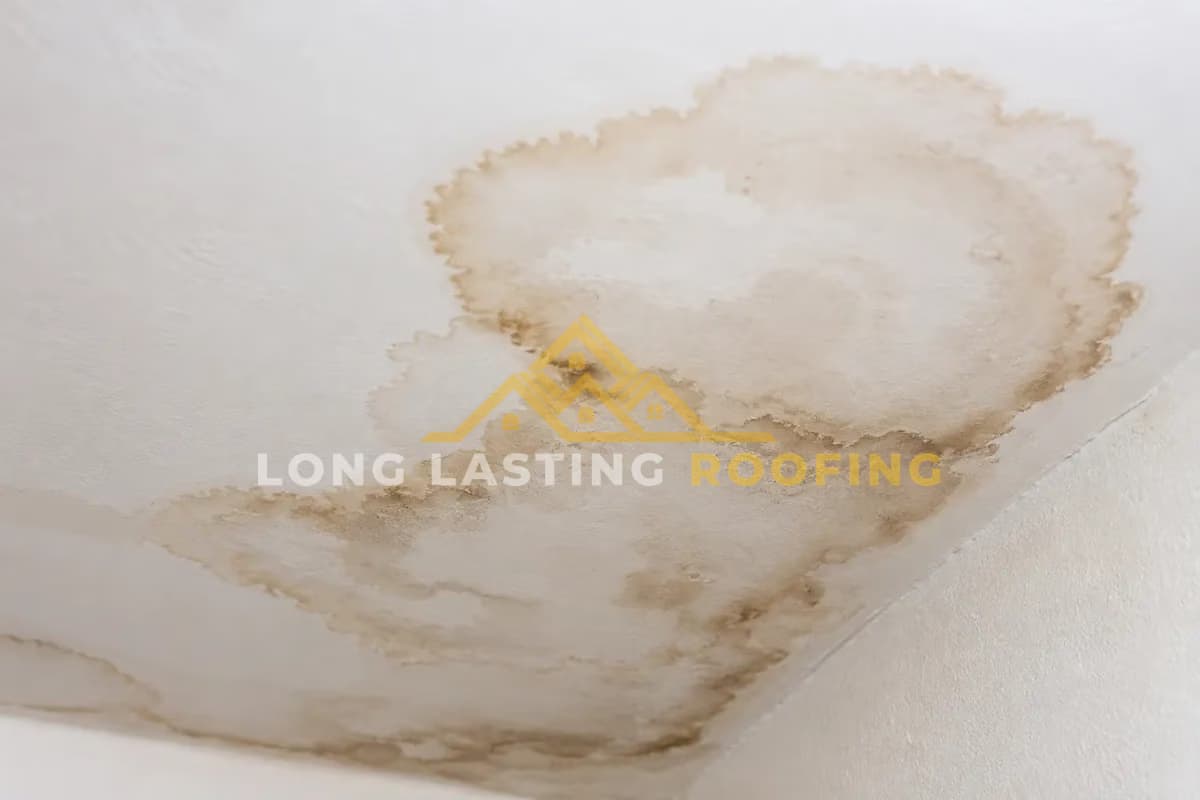
A brown or yellowish ring on a ceiling or down a wall is the classic sign of a roof leak. Even if it is small and dry now, it means water has been getting in. Stains often show up some distance from the leak because water travels along timbers before it drops, so finding the source needs a proper inspection.
2. Broken, cracked or slipped tiles
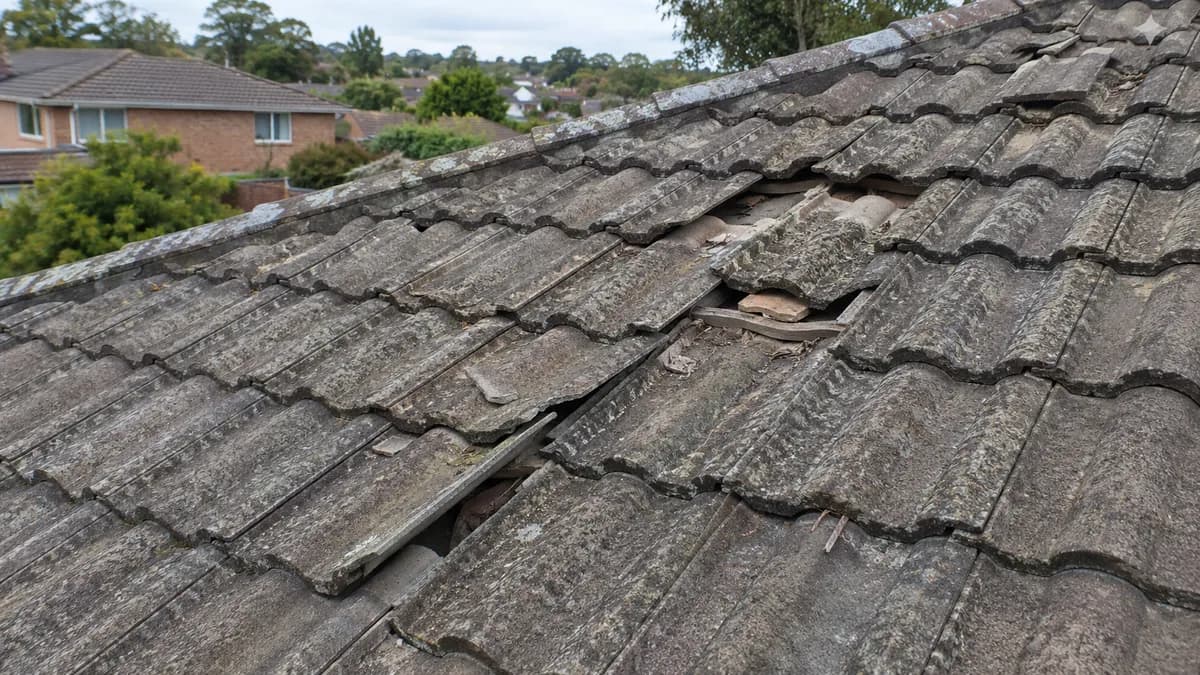
Visible damage to tiles, or tiles that have slipped out of line, leaves the roof exposed. One broken tile is a cheap fix today. Ignored, it lets water into the roof cavity and can rot battens and timber. After any storm, look up at the roof from the ground or street for obvious gaps.
3. Cracked or crumbling ridge capping
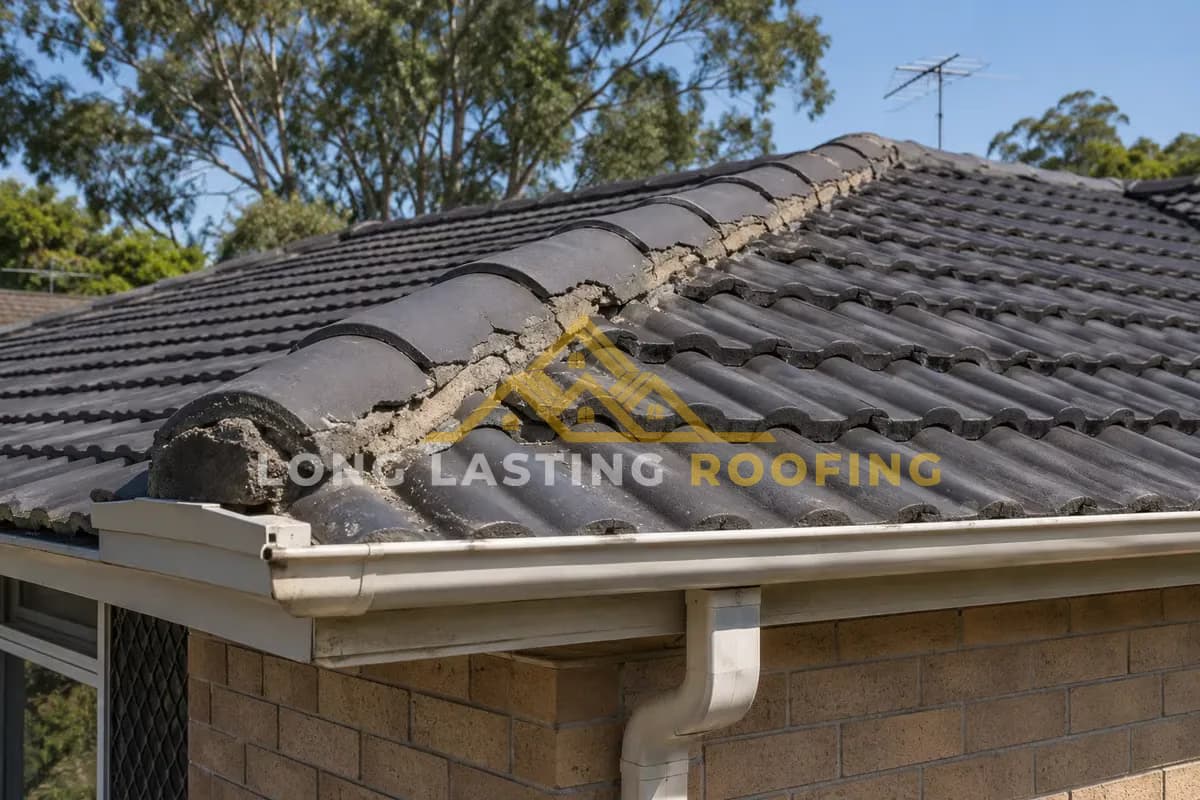
The mortar along the ridge lines and hips is one of the first things to go on an older tile roof. When the pointing cracks and falls away, the ridge caps loosen and water gets underneath. If you can see gaps or crumbling mortar along the peak of your roof, it needs re-pointing before it lets water in.
4. Granules or debris in the gutters
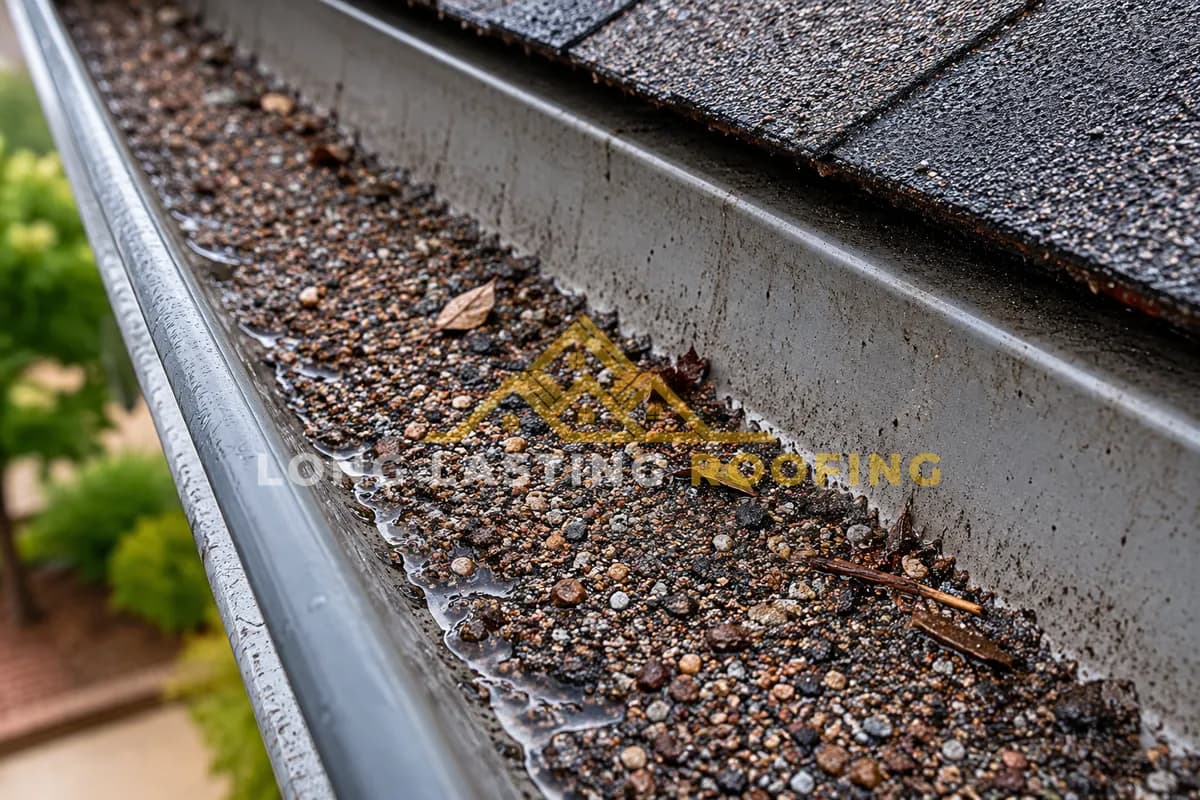
If your gutters are collecting a sandy, gritty sediment, that is often material breaking down off the roof. On tile roofs it can be a sign of ageing. Combined with other signs, it tells you the roof surface is wearing out and should be assessed.
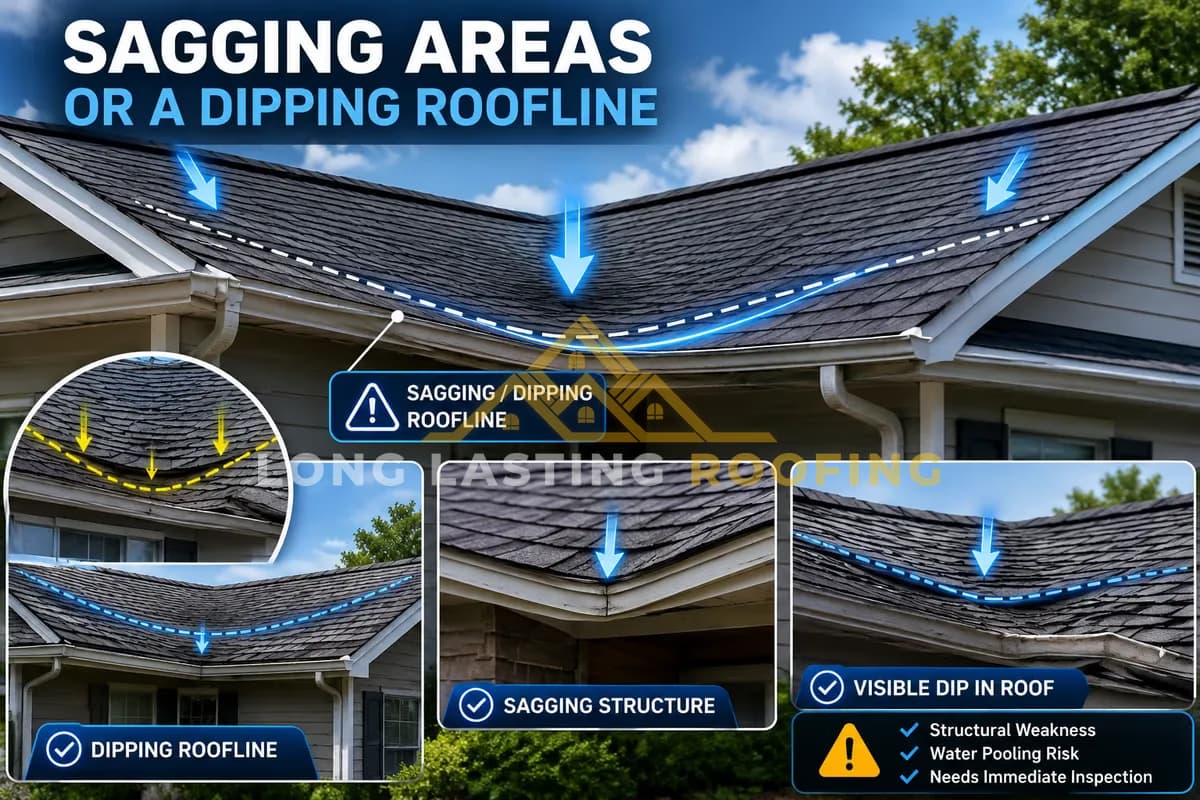
5. Sagging areas or a dipping roofline
A roofline that dips or sags is a more serious sign. It can mean water damage to the roof timbers, structural movement or long-term overloading. Get sagging inspected promptly. It is the one sign on this list that can point to a structural issue rather than a simple surface repair.
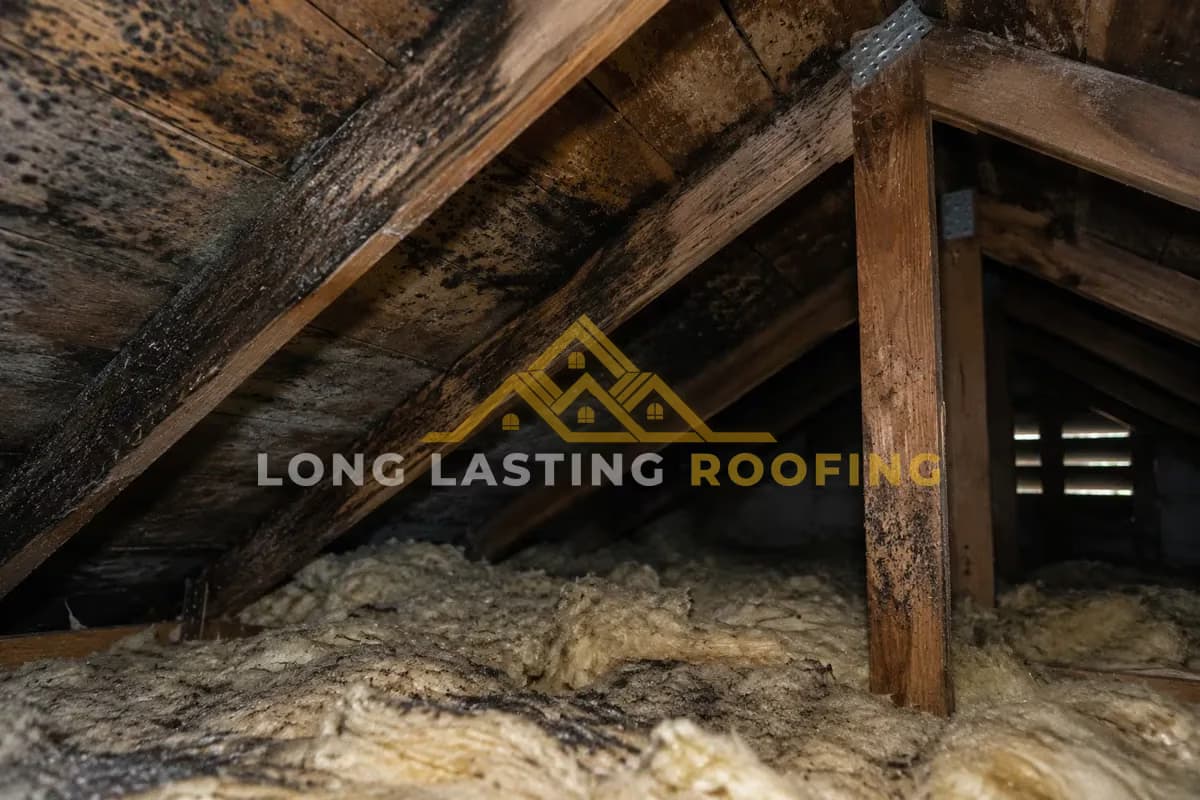
6. Damp, musty smell in the roof space
A musty smell in upstairs rooms or the roof cavity often means trapped moisture, from a slow leak or poor ventilation. Left alone, damp leads to mould and rot. If the smell lingers after rain, water is likely getting in or not drying out.
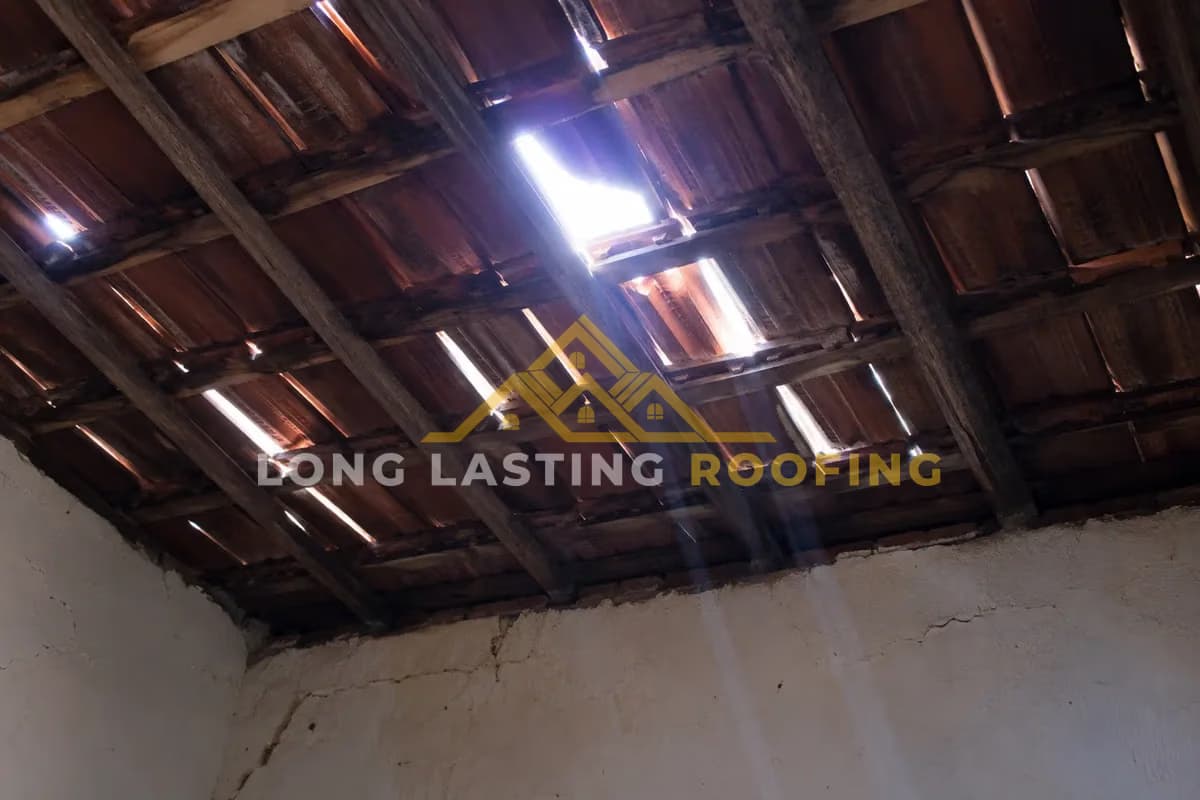
7. Daylight or drafts through the roof
If you can see daylight through the roof boards from inside the roof cavity, water can get in the same way. This is a clear signal the roof covering has gaps and needs repair. The same goes for unexplained drafts in the top floor of the house.
- One sign on its own usually means a targeted repair.
- Several signs together often means the roof needs a broader inspection or restoration.
- Sagging or visible structural movement always warrants prompt professional assessment.
Not sure which way to go?
Book a free, no-obligation roof inspection. We look at your roof and structure, then give you a straight recommendation, restore, re-roof or convert, in writing.
Common roofing mistakes
Waiting for a drip before acting
By the time water reaches the ceiling it has already been in the roof a while. The early signs are far cheaper to fix.
Climbing onto the roof to check yourself
It's dangerous and easy to crack more tiles. Check from the ground or a window and leave the roof to a professional.
Patching the stain, not the leak
Painting over a ceiling stain hides it, but the water keeps coming. The leak has to be traced and fixed at the source.
Assuming one broken tile can wait
A single gap lets water into the cavity and rots battens and timber. One tile today is cheap; the damage it causes isn't.
Ignoring a sagging roofline
Sagging is the one sign that can mean structural trouble. It always warrants prompt professional assessment.
Skipping post-storm checks
Melbourne storms lift and crack tiles you won't notice until the next heavy rain. A quick ground-level look after a storm catches them.
A ceiling stain caught before it became a rebuild
A Fawkner homeowner notices a faint brown ring on a bedroom ceiling after heavy rain. It is small and dries out, so it is easy to talk yourself into leaving it. That is exactly the kind of job where acting early saves you.
Traced properly, the water was getting in through a cracked ridge cap several metres away and running along a rafter before it dropped onto the plaster. A morning's work, re-pointing that section of ridge and replacing two slipped tiles, stopped it. Left another season, the same leak would have soaked the insulation and the ceiling would have needed replacing.
That is what the early signs are for. A stain caught now is a small repair; the same stain ignored turns into a ceiling, insulation and timber bill later.
How we decide what your roof needs
Spotting a sign is one thing; finding what's actually causing it is another. Here's how we track a problem to its source on a callout.
Start inside, check the ceiling stain, roof cavity, insulation and timbers to see where water is landing.
Trace uphill from there, since water runs along timbers before it drops.
Get on the roof and check the likely sources, ridge caps, flashings, valleys and any broken or slipped tiles.
Confirm the actual entry point rather than guessing from the stain location.
Fix the source and check for any secondary damage the leak has already caused.
Quote only the work the roof genuinely needs, and flag anything worth keeping an eye on.
The Long Lasting Roofing Team
Melbourne roofing specialists · Updated 20 June 2026
Spotted one of these signs?
Book a free roof inspection. We find the source, explain what is going on, and quote only the work the roof really needs.
How-To, Common Questions
Answers to the questions homeowners ask about this topic.
For most Melbourne homes, a professional roof inspection every 2 to 3 years is sensible, plus a quick visual check after any major storm. Older roofs and roofs that have never been maintained benefit from more frequent checks.
You can safely do a visual check from the ground or an upstairs window. Look for broken tiles, slipped tiles, gaps along the ridge lines and sagging. Do not climb onto the roof yourself. It is dangerous and easy to cause more damage. Leave on-roof inspection to a professional.
Yes. Small leaks rarely stay small. Water spreads through insulation and timber and the damage gets worse with every rain. Fixing a leak early is far cheaper than repairing ceilings, insulation and structure later.
A brown or yellowish ring almost always means water has been getting in through the roof. It often appears some distance from the actual leak because water travels along timbers before it drops, so the source needs to be traced properly rather than assumed from where the stain shows.
It depends entirely on the problem, a couple of slipped tiles is a small job, while re-pointing ridge lines or chasing a hidden leak is more involved. Because guessing a price without seeing the roof helps no one, we inspect first and give you a written quote for exactly the work needed.
That's common. A cracked ridge cap, tired flashing or small tile gap can shed light rain fine but get overwhelmed in a downpour, or the wind drives water in at an angle. It still means there's a fault letting water in, it just only shows under load.
Usually not. Most leaks are localised, a ridge cap, a flashing, a few tiles, and are a targeted repair. Full replacement is only needed when damage is widespread or structural. A proper inspection tells you which, and we'll always recommend the smaller fix when that's genuinely enough.
Soon. A single broken or slipped tile leaves the cavity exposed, and every rain lets more water into the battens and timber below. It's a cheap, quick fix on its own, the expensive part is the rot and damage it causes if it's left.
The usual culprits are cracked or missing ridge-cap pointing, broken and slipped tiles, tired flashings around chimneys and skylights, and blocked gutters overflowing back under the eaves. Storms accelerate all of them, which is why leaks so often show up after heavy Melbourne weather.